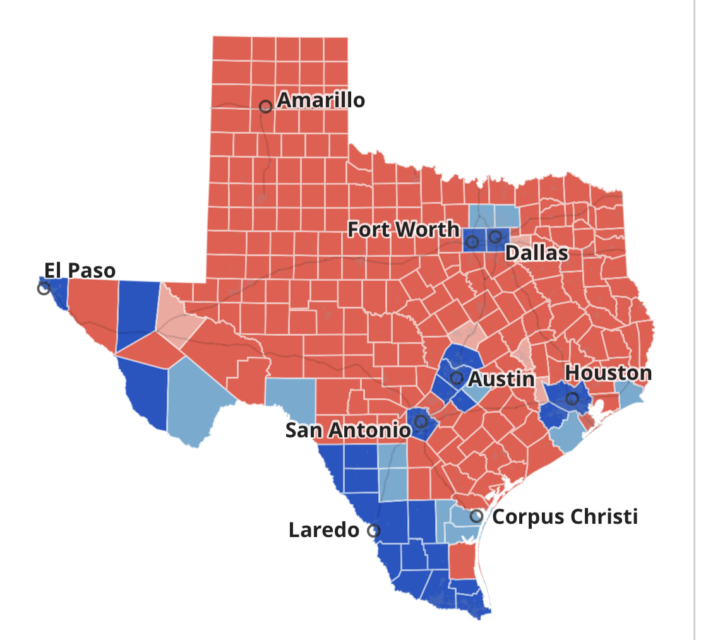
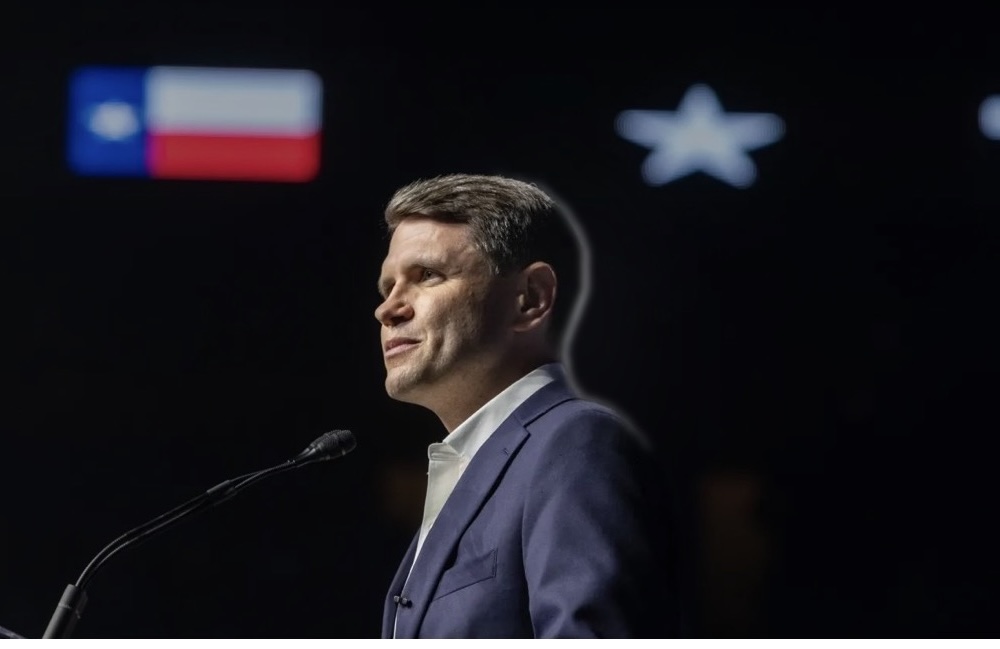
As someone who came to live in Texas seven years ago, I am rubbing my eyes to make sure I am not dreaming. Until James Talarico’s decisive win, this state had not sent a Democrat to the U.S. Senate since 1988. Even more remarkably, Gina Hinojosa will be Texas’s first Latina governor, as well as the first Democratic governor since 1995. Vikki Goodwin is the new Lt. Governor who will preside over the Senate.
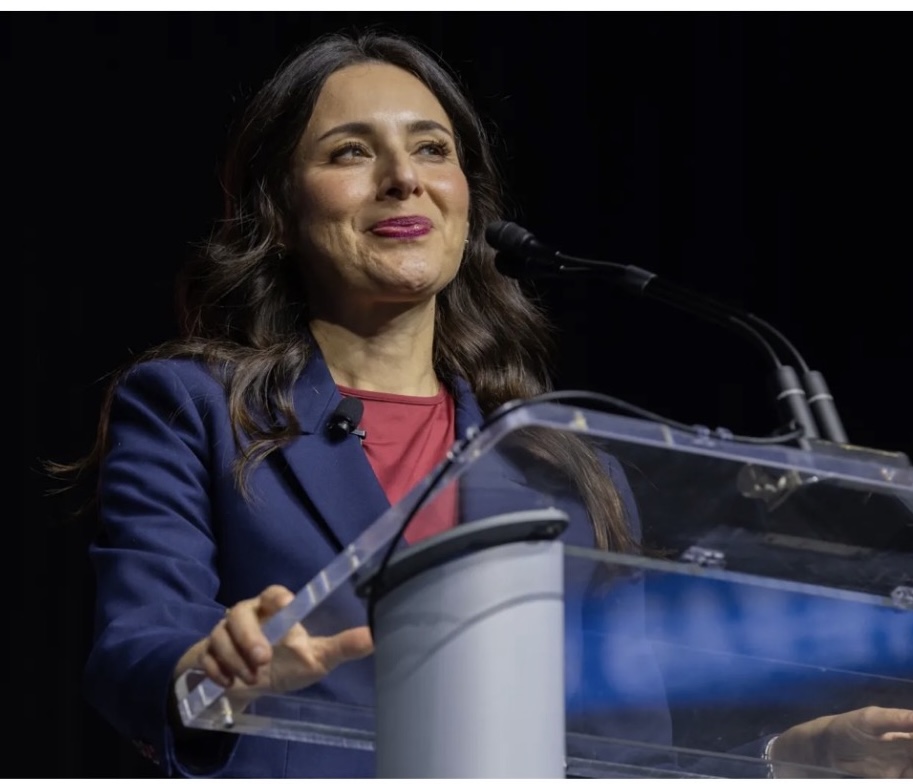
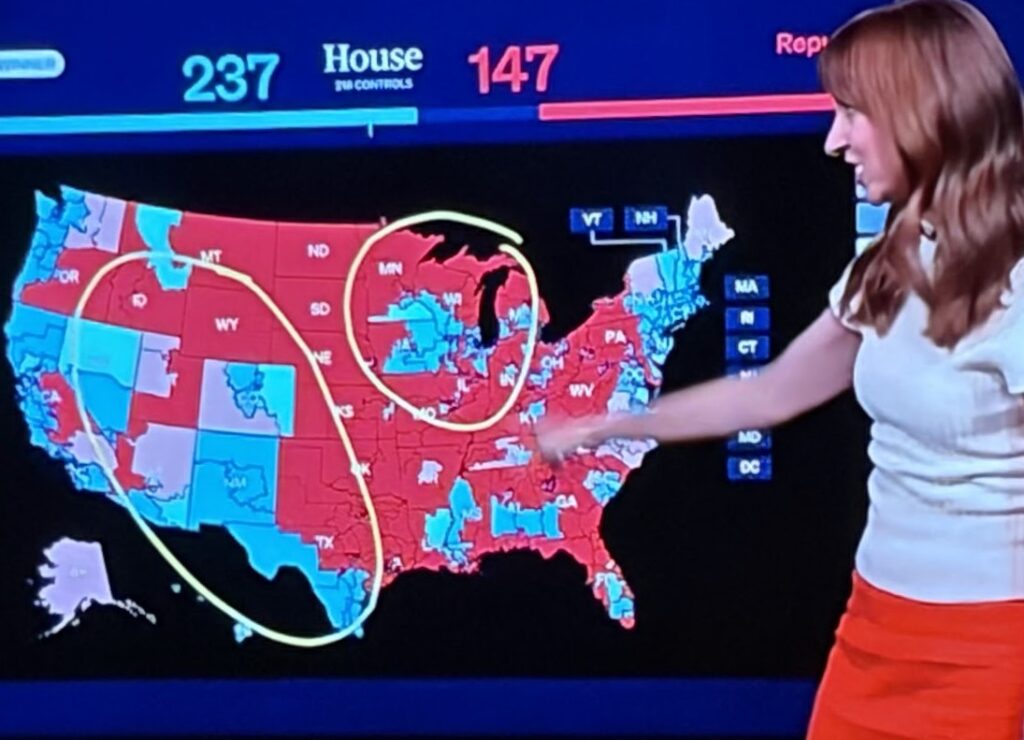
The political earthquake was felt across the country. In Georgia, Keisha Lance Bottoms is the first Black woman elected as a governor in U.S. history. In New Mexico, Deb Haaland is the first Native American woman to become governor; and Peggy Flanagan in Minnesota is the first Native American woman elected to the U.S. Senate. In California, Xavier Becerra will be the state’s first Latino governor. In Michigan, Abdul El-Sayed became the first Muslim elected to the U.S. Senate. And Adam Hamilton, a Methodist megachurch pastor in Kansas and former Republican, ousted the GOP senator, the state’s first Democratic senate win in 94 years. As I write this, Mississippi is within one point of electing its first Black senator since Reconstruction after the Civil War.
The list goes on. And in many cases, the margins weren’t even close. Not just at the state level, but also in local elections, the same pattern played out. In a major reversal, Texas Hispanics, many of whom voted for Trump in the last election, came out in force to support Democrats. Nationally, some 70% of voters aged 18-29 voted for the Democratic candidates. The Republican governor of Florida Ron DeSantis called it “the nearest thing to an extinction level event we have seen in the past 100 years.” The level of grassroots activism everywhere leading up to the election played a key role. Our own precinct had the highest turnout in Travis County (70%) and voted 88.2% for Democrats.
Certainly, the economy and the war on Iran was a decisive factor. But there was also a widespread revolt against the lies, corruption, cruelty and inhumanity displayed by Trump’s regime. Money alone cannot win elections. Elon Musk spent about $224 million on Republican campaigns in Texas. Is it possible that this election may mark a break in the traditional political divide as voters focus more on moral character? There are signs that Democrats are overcoming their hesitation to incorporate elements of faith and morality into their public statements. Representative Jamie Raskin (D-MD) invokes the need to find a “moral center.” This will be important in holding the country together. Talarico, a former Presbyterian seminarian, framed his victory as a rejection of division, saying, “Hate is predictable and boring. Hate can’t build a future. But what hate can’t do, love can.”
Hinojosa may have won the governorship of Texas, but she will have to deal with a divided state House and Senate. Texas has the world’s 8th largest economy. We have five of the nation’s 10 largest cities. The state’s economic output surpasses nations like Canada, Russia, Italy, and South Korea. Yet despite its wealth, Texas often ranks near the bottom for access to health care and it has a high level of working age adults without insurance coverage. The state ranks 46th for public elementary and secondary school funding. Texas has no income tax, placing a heavy burden on property taxes while billionaires pay little. This is a daunting scenario for state Democrats who will have to learn how to govern after decades in the political wilderness.
In Texas and across the nation, the time calls for inspired and courageous leadership to reach across the political divides and build the collaboration capable of achieving needed changes in policy and social structures. As I wrote in a 2018 blog, a mark of moral leadership is the ability to hold up a vision of a world as it should be, and encourage others to overcome their differences to embrace that vision. This kind of leadership is not content with analyzing problems but imagines solutions. It has the courage to take difficulties and turn them into assets. It moves beyond the accepted boundaries to engage the opposites and build unexpected alliances. In all of our communities and countries there are challenges that seem insurmountable. And because we often lack the courage and imagination for radical action we settle for crisis management or remedial responses instead of addressing the roots of problems.
In the US we can finally commit to providing quality education for every child; we can enact sensible immigration laws; we can reform the prison industrial complex that has devastated generations of men of color; we can pay adequate living wages and lift millions out poverty; we can achieve strict gun legislation and end the mindless slaughter in our schools and communities, and the damage illegal American guns cause in other countries; we can live well and still conserve the environment. These things are possible. But it will take moral leadership at all levels and by each one of us taking responsibility right where we are. It will also take persistence. Social media has proved successful in sparking popular movements, but it has not yet been able to sustain them. Change will take more than a click of a mouse or tap on an iPhone. We will need to find ways to use technology for genuinely honest dialogue, careful listening, coalition building and organizational training.
Vision, courage, imagination and persistence: these are essential qualities for the leadership we need. Each of us can make a choice no longer to accept the unacceptable. Let’s pursue a vision of an America as it should be.